introduction :
Molecular biomarkers are revolutionizing the way we understand nutrition and health, supported by advanced analytical and imaging technologies that allow precise cellular-level investigation of nutrient responses. By measuring how specific dietary compounds influence metabolic pathways, inflammatory responses, and cellular function, these biomarkers provide precise insights into the body’s response to nutrients. This knowledge forms the foundation of precision nutrition, enabling tailored dietary strategies that optimize metabolic health, support immune resilience, and reduce the risk of chronic disease.

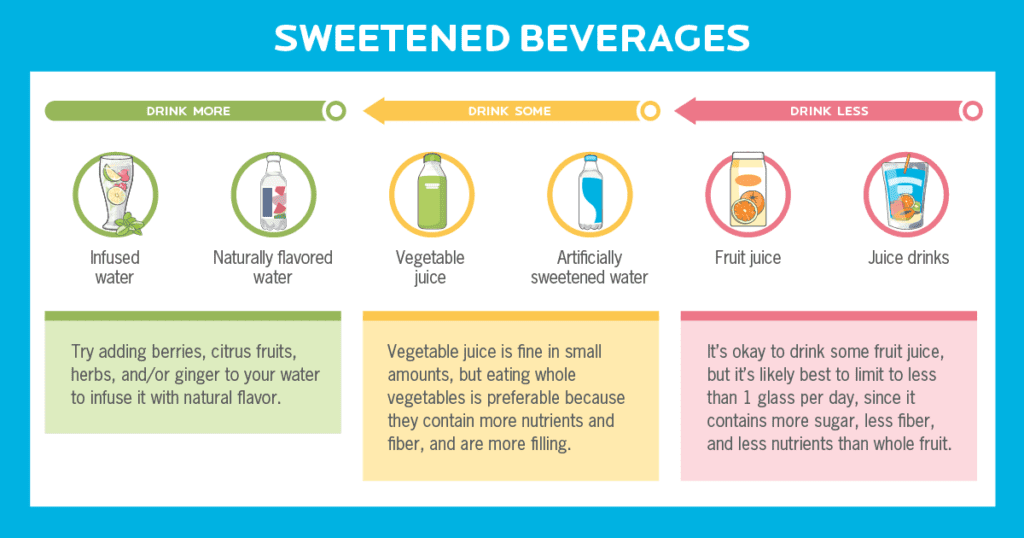
What Are Molecular Biomarkers?
Supporting evidence from authoritative sources shows that biomarkers provide proximal measures of nutrient status, surpassing traditional dietary intake assessments. A scoping review links nutritional biomarkers to food security, highlighting associations with status indicators like metabolomics.
Molecular biomarkers are measurable indicators of biological processes, responses to interventions, or disease states. In nutrition, they provide a window into how specific nutrients impact cellular and systemic functions, allowing for objective evaluation of dietary strategies. These include metabolites, proteins, and genetic markers that reflect nutrient absorption, metabolism, and utilization. For example, lipid profiles can indicate omega-3 fatty acid status, while cytokine levels reveal inflammatory responses to dietary patterns. Expanding on this, biomarkers enable the detection of deficiencies or excesses at a molecular level, facilitating early intervention in conditions like metabolic syndrome or chronic inflammation.


Tools and Techniques for Biomarker Discovery
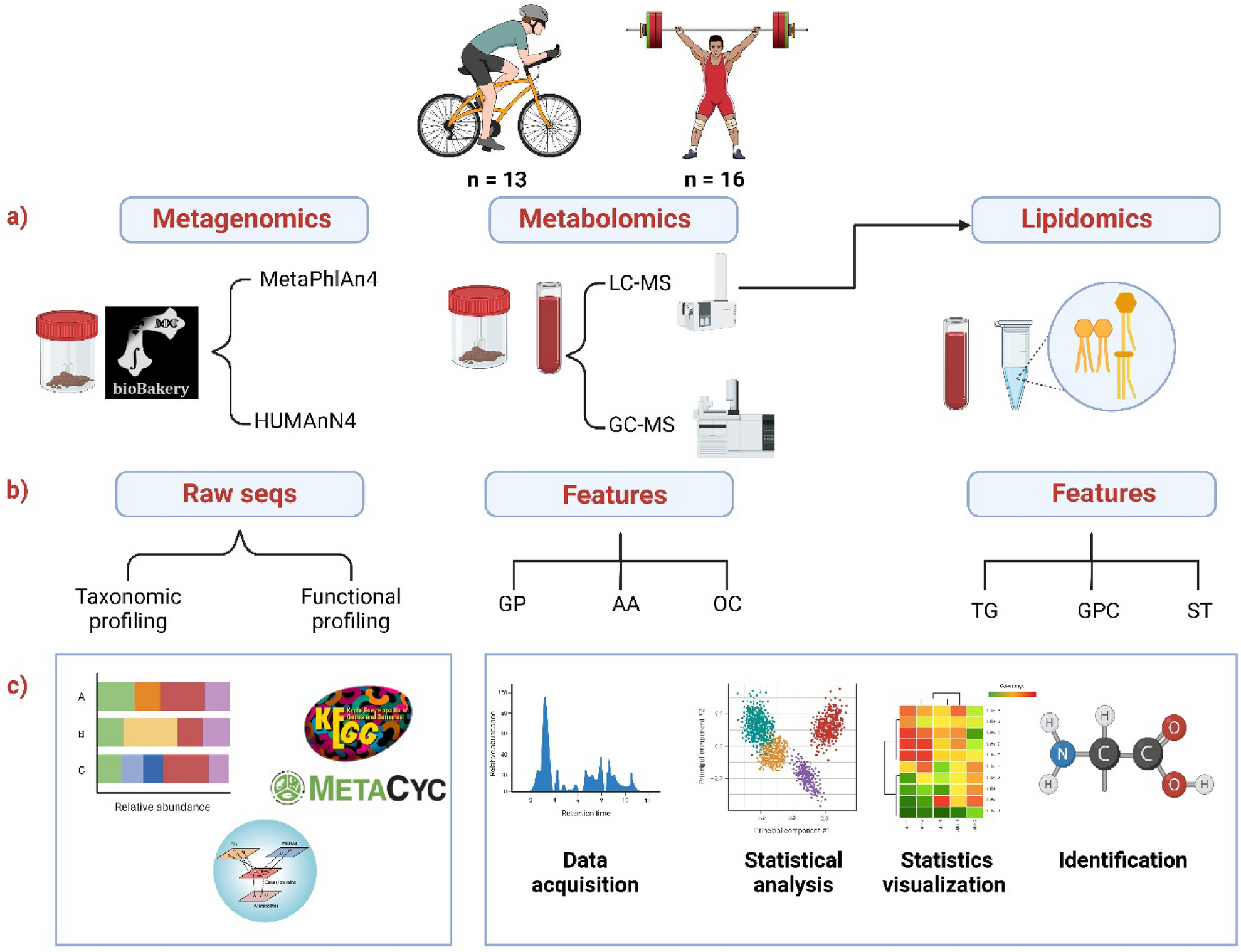
Research from Nature journals discusses advanced tools like omics for precision nutrition, including blood spot testing for metabolic markers. Omics approaches are pivotal for identifying integrative biomarkers.
Modern nutrition research relies on advanced biotechnology: Lipidomic and proteomic profiling to quantify molecular responses to diet; Metabolomic analysis to track metabolic shifts induced by nutrients; RNA-seq and transcriptomic studies to detect gene expression changes triggered by bioactive compounds. These techniques involve high-throughput screening, mass spectrometry, and bioinformatics to process vast datasets. For instance, wearable biosensors now monitor metabolites in sweat, offering real-time insights. Additionally, multi-omics integration combines genomics, proteomics, and metabolomics for comprehensive biomarker discovery, enhancing our understanding of nutrient-gene interactions.
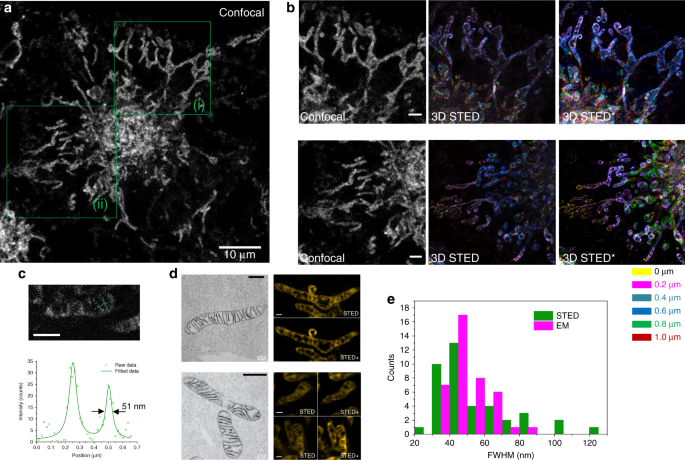
In addition to omics-based technologies, high-resolution confocal microscopy plays a central role in validating molecular biomarkers at the cellular level. This advanced imaging approach provides spatially resolved visualization of nutrient-driven cellular responses, allowing researchers to connect gene expression and protein changes to their precise intracellular context.
By tracking the localization of proteins, metabolites, and signaling molecules through fluorescent labeling techniques, confocal microscopy confirms whether molecular shifts identified through transcriptomics or proteomics translate into functional biological outcomes. This spatial validation is essential for interpreting nutrient–cell interactions accurately.
A key application involves monitoring mitochondrial dynamics, including fission, fusion, and structural remodeling in response to metabolic stress. Confocal live-cell imaging reveals how nutrient availability influences mitochondrial networks, oxidative stress responses, and cellular energy regulation—critical factors in metabolic health and inflammation research.
Applications in Precision Nutrition
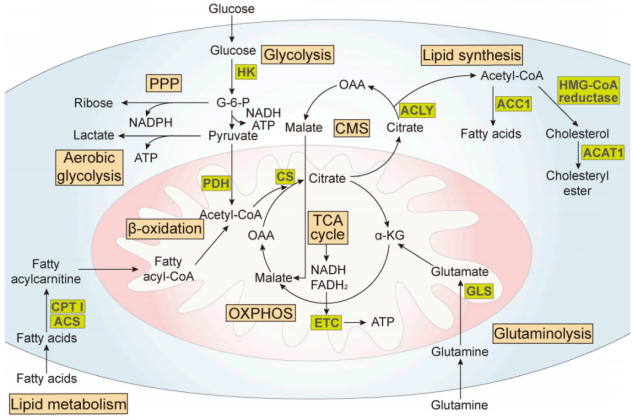
Studies demonstrate that precision nutrition based on insulin resistance phenotypes improves cardiometabolic health. Metabolomics is key for characterizing dietary responses and biomarkers.Validated molecular biomarkers allow the development of personalized dietary strategies. For example: Polyphenols can be monitored for their impact on NF-κB signaling and inflammation; Omega-3 fatty acids can be assessed for epigenetic modulation of metabolic genes. This approach ensures interventions are tailored to individual metabolic and inflammatory profiles. Expanding further, applications include using biomarkers for disease prevention, such as in obesity management where gut microbiome data informs refeeding protocols. In clinical settings, these tools support targeted nutrition for chronic conditions, optimizing outcomes through data-driven adjustments.

Challenges and Case Studies in Biomarker Application
To strengthen authority, consider challenges like biomarker specificity and inter-individual variability, as noted in methodology reviews. Case studies, such as longitudinal analyses from personalized platforms, reveal correlations between biomarkers and health metrics.
Challenges include validating biomarkers across diverse populations and integrating multi-omics data. A case study from a healthy aging cohort used nutrient biomarkers with neuroimaging to identify profiles promoting brain health. Another example involves microsampling for lifestyle-associated changes, linking nutrition to molecular modules
Future Perspectives
The discovery of new biomarkers continues to expand the potential of precision nutrition. By combining molecular data with physiological assessments, researchers can design nutrition-based therapeutic strategies for chronic disease prevention, immune support, and metabolic optimization. Emerging trends include AI-driven biomarker prediction and wearable tech integration for real-time monitoring. In the coming years, personalized nutrition platforms may use these tools to forecast health trajectories and recommend proactive interventions

Conclusion
Molecular biomarkers bridge basic science and applied nutrition, forming the foundation for precision health. As challenges are addressed and applications expand, this field promises transformative, individualized interventions to enhance outcomes and mitigate disease risk in a cutting-edge biotech era.